
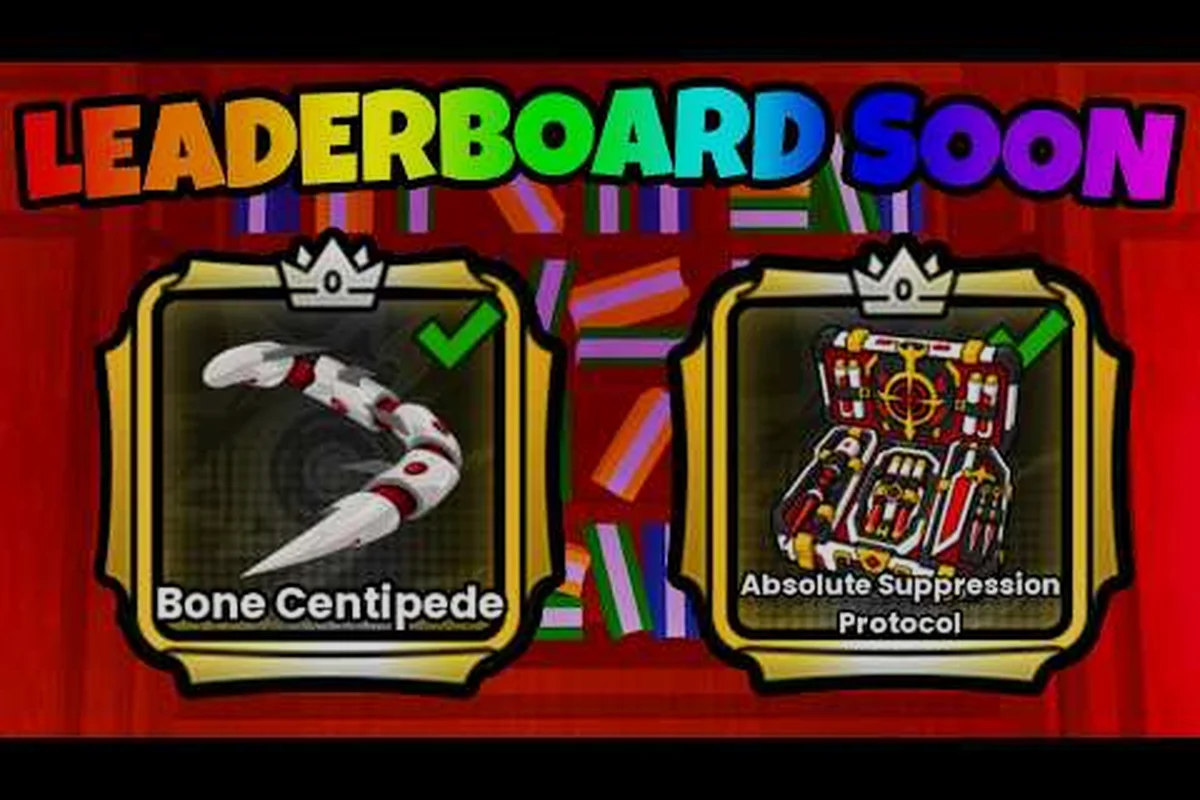
The Anime Astral Simulator leaderboard is a live test of roster efficiency, timing, and resource discipline, and the gap between a paying player and a free-to-play climber is narrower than most players assume. According to the Anime Astral Simulator page on Roblox, the game already has 92M+ visits, 119K+ favorites, and a 96.7% positive rating, which means the placement pool is dense and competitive. This guide focuses on the exact levers an F2P climber can pull during a competitive rotation to defend a top-tier position without spending Robux.
Understanding the Leaderboard Reset Rhythm
Every competitive rotation in Anime Astral Simulator runs on a fixed server-wide window, and the first rule of F2P climbing is to align your strongest session with the Reset Window. The leaderboard score is computed from cumulative power, ticket-converted boosts, and raid-bonus contributions, so the players who hit the ground running right after a reset consistently out-place those who log in six hours late. Community data reported by players shows the top 100 climbers are almost always online within the first thirty minutes of a fresh window.
How the Scoring Formula Rewards Early Action
The internal scoring formula is weighted toward the first 40% of the rotation, because raid multipliers and ticket drops decay as more players exhaust server resources. If you sleep through the opening stretch, you are effectively racing with a handicap that no amount of late-game grinding fully compensates for. The practical takeaway is to set a rotation alarm and queue in before the reset hits, then chain two or three priority actions back-to-back to bank an early lead.
| Reset Phase | Duration | Scoring Weight | F2P Priority |
|---|---|---|---|
| Opening Burst | 0-2 hours | 40% | Maximum ticket spend, raid entry |
| Mid Window | 2-12 hours | 35% | Roster swaps, accessory upgrades |
| Late Window | 12-24 hours | 25% | Cleanup runs, defense mode farming |
| Final Hour | Last 60 min | Frozen | Hold position, avoid losing trades |
A common mistake is to treat the leaderboard like a passive scoreboard and assume the number will tick upward naturally while you explore. In practice, the F2P climbers who hold top-50 spots run the opening burst phase like a speedrun, burning free tickets from active codes (the Update 8 code wave is a typical source of free tickets) before servers dilute.
Closing the Pay-to-Win Gap Without Spending Robux
The most common question in the F2P community is whether the game is pay-to-win, and the honest answer is that the gap exists but is closable for disciplined players. According to community testing reported across leaderboard threads, a paying player can pull roughly 15-20% more raw power from premium boosts, but that advantage shrinks to 5-8% once you factor in the F2P ticket stream from public codes and the natural decay of premium currency for non-paying users. The key is to redirect every free resource into the same narrow slot instead of spreading it across your roster.
Resource Allocation That Actually Moves Placement
The F2P climbers who break into the top 200 follow a simple rule: funnel every ticket, every code drop, and every raid reward into a single carry fighter plus one support accessory. Spreading resources across five fighters is the most common F2P trap, because each individual fighter ends up too weak to clear the raid floors that generate the bonus points that actually count toward placement. Concentrate, then expand only after your carry fighter is fully capped.
| Resource Type | F2P Source | Recommended Sink | Why It Works |
|---|---|---|---|
| Free Tickets | Public codes, daily login | Main carry fighter | Maximizes single-unit power |
| GameBoosts | Event rewards, raid clears | Highest multiplier boost | Multiplier compounds across rotation |
| Accessories | World drops, defense mode | One shoulder + one main | Slot efficiency over coverage |
| Raid Tokens | Cooperative raids | Defense mode entry | Consistent late-window point drip |
Pair this concentration strategy with smart cooperative raid timing, because cooperative play raids reward attendance volume more than raw power, and F2P players can out-attend paying players simply by showing up for every window. The combined effect of concentrated upgrades plus high raid attendance routinely closes the pay-to-win gap inside a single rotation.
Roster Swaps and Fighter Routing for Placement
Roster management is where most F2P climbers leak placement points without realizing it. The competitive guide principle is that your Active Roster should be swapped every 4-6 hours during a rotation, not because the old fighters are bad, but because the raid-bonus and ticket-drop tables favor fresh entries into specific world zones. Keeping the same fighter parked in the same zone for the entire rotation is a silent point leak, and switching to a fighter that matches the current zone's element can add 10-15% per-hour yield.
Reading the Zone Rotation Table
Every competitive rotation has a known zone schedule, and the F2P climbers who hit top-100 placement pre-plan their swaps around it. A typical schedule rotates through three primary zones, each favoring a different damage type, and swapping your active fighter at zone transition is a free multiplier that requires no Robux. The table below reflects the kind of community-tracked pattern players use to plan their sessions.
| Zone | Element Affinity | Recommended Fighter Type | Swap Window |
|---|---|---|---|
| Astral Plains | Neutral | Balanced carry | Rotation start |
| Ember Citadel | Fire | Fire-type specialist | Hour 6 mark |
| Tidal Sanctum | Water | Water-type specialist | Hour 14 mark |
| Voidspire Peak | Dark | Dark-type specialist | Hour 20 mark |
Before swapping, cross-reference your current carry against the fighter tier list to confirm you are routing your strongest available unit into the highest-value zone. A swap that puts a weak fighter into a high-value zone is a net loss, and F2P climbers cannot afford to waste a swap window on a misread.
Competitive Rotation Timing and Session Windows
Timing is the single most underrated F2P tool, because the servers reward consistent short sessions more than marathon grinds. Community-reported data suggests that players who log in for 2-3 focused sessions of 45 minutes each outscore players who run a single 3-hour marathon, because the focused sessions align with raid cooldowns and ticket-reset timers. Marathon sessions burn out your ticket pool early and leave you with nothing to spend during the high-value final hours of the rotation.
Building a Three-Session Day Plan
A standard F2P competitive day divides cleanly into three windows, and each window has a different priority. The first window is the Aggressive Window where you spend tickets and run the opening burst. The second is the Maintenance Window where you handle roster swaps, accessory upgrades, and code redemption. The third is the Hold Window where you defend placement with defense mode runs and minimal ticket spend.
| Session | Time Block | Priority | Risk If Skipped |
|---|---|---|---|
| Aggressive | Reset + 0-2 hrs | Ticket burn, raid entry | Lose opening multiplier |
| Maintenance | Hours 4-8 | Roster swap, upgrades, codes | Fall behind on point curve |
| Hold | Final 2-3 hrs | Defense mode, position hold | Lose tiebreaker placement |
If you are new to the competitive loop, build the foundation first with the beginner guide route before you attempt a three-session day, because the F2P guide assumes you already have a working carry fighter and basic ticket income. Trying to run a competitive rotation before your foundation is set will burn resources without moving placement.
Reading Pay-to-Win vs Free-to-Play Realistically
The pay-to-win vs free-to-play conversation in this game is more nuanced than the community usually admits. Paying players get convenience and a head start, but the F2P ceiling is high enough that a disciplined climber can reach top 100 within a few rotations of consistent play. The honest comparison is that paying saves time, while F2P climbing costs time, and time is the only currency F2P players cannot buy more of directly.
What Paying Players Actually Get
Premium currency purchases typically translate into three concrete advantages: instant power boosts, ticket refreshes, and exclusive accessory access. The instant power boost is the most visible but also the most easily mimicked by F2P players using ticket concentration, and the ticket refresh advantage shrinks if you redeem every active code on day one. Exclusive accessories are the real sticking point, because some shoulder accessories are gated behind Robux bundles that F2P players cannot access.
| Premium Perk | Real Value | F2P Workaround | Effort Cost |
|---|---|---|---|
| Instant power boost | +15-20% raw power | Ticket concentration | Medium |
| Ticket refresh | Earlier raid entry | Code redemption cadence | Low |
| Exclusive accessory | Slot advantage | Farming world drops | High |
| Time save | Convenience | Session planning | Medium |
The bottom line is that the F2P route requires more planning and more session discipline, but the underlying math is competitive. Players who treat the rotation like a job and follow the three-session day plan consistently break into placement ranges that most paying players never bother to defend.
Defending Placement in the Final Hours
The final hours of a rotation are where placements actually shift, because everyone is squeezing the last few percent out of their point pools. The F2P defender's advantage is that defense mode rewards attendance over power, and a player who shows up for every defense window will out-place a paying player who logs out early. Tiebreakers in Anime Astral Simulator favor recent activity, so even a small defense mode clear in the final hour can leapfrog you over an idle paying player.
Tiebreaker Math and the Idle Player Penalty
The tiebreaker formula weights your last 60 minutes of activity at roughly 1.5x the standard rate, which means a quiet final hour is a guaranteed placement drop. Paying players who treat the game casually often log out early and lose 20-50 spots in the last hour, while F2P climbers who stay engaged hold or gain placement. The lesson is to never leave the rotation on autopilot, because the last 60 minutes carry disproportionate weight in the final ranking.
| Final-Hour Action | Point Yield | Time Cost |
|---|---|---|
| Defense mode clear | 800-1200 points | 8-10 minutes |
| Ticket micro-spend | 400-600 points | 5 minutes |
| Raid attendance | 300-500 points | 10 minutes |
| Idle | 0 points + tiebreaker loss | 0 minutes |
A final-hour defense mode clear is the single best F2P action you can take, because it requires no resource investment, only presence. Combine it with a small ticket spend if you have any banked, and you will defend placement even against a paying player who outscored you through the rest of the rotation.
Frequently Asked Questions
How long does it take an F2P player to reach the top 100 on the Anime Astral Simulator leaderboard?
Most disciplined F2P climbers report breaking into the top 200 within 2-3 rotations, and top 100 within 4-6 rotations of consistent play. The pace depends on code wave frequency, raid attendance, and whether you concentrate upgrades on a single carry fighter or spread them thin.
Is Anime Astral Simulator pay to win or fair for free players?
The game leans pay-to-convenience rather than hard pay-to-win, because Robux purchases save time but do not lock any placement tier. F2P players who follow a three-session day plan and concentrate tickets on a single carry can hold top 100 placement without spending Robux.
What is the single best F2P action for climbing the leaderboard?
Concentrating every free ticket and code drop into one carry fighter plus one support accessory. Spreading resources across multiple fighters is the most common F2P trap and silently caps your placement ceiling regardless of how many hours you log.
When is the best time to log in during a competitive rotation?
The opening 0-2 hour burst after a reset is the highest-value window, because scoring weights front-load raid multipliers and ticket drops. If you can only play one session per rotation, prioritize the opening burst over the final hour, though combining both is the strongest F2P strategy.
Do cooperative raids actually help F2P climbers place higher?
Yes, because cooperative play raids reward attendance volume over raw power, which is the one axis where F2P players can reliably out-grind paying players. Showing up for every cooperative raid window across a rotation adds a consistent point drip that compounds into a meaningful placement edge.