
Updates
Every Anime Astral Simulator update and patch note — new worlds, fighters, artifacts, code drops and event details from StarX Inc and the Astral Team.
Introduction
The Astral Team ships content to Anime Astral Simulator at a blistering pace — new worlds, fighters, artifact systems, event content and balance passes arrive roughly every three days, typically clustering around Tuesday, Wednesday and Saturday releases. That cadence is a blessing and a hazard: the game never stagnates, but tier lists, code lists and progression advice all carry short shelf lives unless someone is tracking what changed. This category is that tracker. Every major update gets broken down — what shipped, which systems it touched, which new codes dropped with it, and how the meta shifted as a consequence — so you can translate patch notes into account decisions fast. Whether you are a returning player catching up on several missed patches or a daily player verifying what just moved, the updates archive turns this games relentless release schedule from a source of confusion into an information advantage.
Recent Update Log
| Update | Highlights | Meta Impact |
|---|---|---|
| Update 15.x | New worlds, artifacts, Holy Grail event | Endgame expansion (Sep 2026) |
| Update 14 | New worlds, Chakra/Karma code drops | New banner Mythicals enter S tier |
| Update 8 | Tier II Potions, gate system fixes | Potion economy reworked |
| Update 7.5 | Accessory slot expansion, Defense balance | More multiplier surface via slots |
Update Breakdowns
Update 15.x
Current era. The live content wave: new endgame worlds, the artifact enhancement system and the Holy Grail event arrived together in September 2026, extending the summit for completed accounts and reopening the progression ladder for everyone chasing the new thresholds.
Update 14
Major expansion. A major content drop that added new worlds and the Chakra and Karma code wave — the patch that reshaped the current S tier by introducing newest-banner Mythicals tuned to the expanded world map.
Update 8
Systems patch. The systems update that introduced Tier II Potions and overhauled the gate mechanics — older than its successors but still reverberating through the potion economy and surviving as the origin of a still-active code.
Update 7.5
Balance pass. An accessory-focused balance update that expanded slot availability and retuned Defense Mode — the patch that increased total multiplier surface area and reshaped mount farming efficiency.
Core Mechanics
Update cadence is the master rhythm of this game: patches land approximately every three days, clustering on Tuesday, Wednesday and Saturday, and each release typically combines content additions with systems tuning and a fresh code wave. Content additions — new worlds, fighters and events like the Holy Grail — extend progression ceilings and reshuffle tier placements; systems changes — potion tiers, gate fixes, accessory slot adjustments — alter the economy underneath everything else; code waves hand out the free tickets and potions that fund immediate response to the changes. Because these three streams ship together, the correct player response is also three-part: read what moved, check which codes dropped, then re-plan banner spending and farm routes against the new state. The updates category performs exactly this synthesis for each patch, replacing raw changelog reading with account-level decision context.
Advantages
A tracked update archive converts this games aggressive release cadence from a liability into leverage. Returning players can reconstruct several missed patches in minutes — knowing which codes are live, which tier placements moved, and which systems were reworked — instead of reverse-engineering months of changes from scattered sources. Active players gain a simpler edge: update-day checklists that capture code drops before they expire and banner shifts before they waste ticket spending. The archive also documents the games design direction over time, which makes meta forecasting meaningfully better — patterns across the update 7.5 through 15.x waves reveal how the Astral Team tends to sequence systems, giving informed players early reads on what the next patch probably emphasizes before official notes land.
Challenges
The same three-day cadence that keeps the game fresh imposes a constant maintenance burden on update tracking itself — an archive is only as good as its last verification pass, and patches can invalidate code lists and tier claims within hours of deployment. Raw changelog information is also inherently developer-centric: knowing that gate system fixes shipped tells you nothing directly about whether your account should change its farming route, which means every entry requires interpretive work that can age badly if the underlying assumptions shift again days later. Event content adds a churn layer with an expiry problem — Holy Grail-era advice may be strictly time-boxed to the events window, requiring clear labeling to avoid misleading readers who arrive after closure. Finally, coverage breadth fights depth: with releases this frequent, summarizing each one well competes directly with the volume, and thin coverage of a systems-heavy patch leaves readers with a false sense of understanding.
Frequently Asked Questions
How often does Anime Astral Simulator update?+
Where can I find the new update codes?+
Did the latest update change the tier list?+
Quick Tips
Check codes within hours of every patch notification rather than whenever you next log in to play. Update-code waves land on the same day as their patch and can begin expiring with the following release — roughly three days later — which makes the post-notification window the difference between claiming a full bundle and discovering the strings went dead while your account sat idle.
Read the update summary before touching your banner tickets. Patch notes routinely reshuffle which Mythicals occupy the S band, and rolling yesterday's correct banner today wastes the exact code-funded tickets you were saving — two minutes with the changes list prevents the specific regret of funding a pool the meta just moved away from while you were offline.
Track the release rhythm — Tuesday, Wednesday and Saturday — and plan progression sessions around it. Knowing roughly when a patch lands lets you schedule long world pushes before content shifts and code sweeps immediately after, turning the games relentless cadence into a predictable planning grid instead of a source of surprise upsets that constantly invalidates whatever you were midway through attempting.
Featured

Anime Astral Simulator Latest Update: September 2026 Patch Notes
Catch the Anime Astral Simulator latest update with full September 2026 patch notes, holy grail changes, and the new Primordials and Titan Passive systems.

Anime Astral Simulator Update 14: Every Reward Wave Inside
Break down Anime Astral Simulator update 14 with full patch notes, code drops, and reward waves compared against updates 15, 8, 7, and 6 in the changelog.
Anime Astral Simulator How Often Does It Update: Schedule Inside
Pin down Anime Astral Simulator how often does it update patterns, from typical update days to when new worlds, fighters, and artifacts tend to land.
All Articles

Anime Astral Simulator Tuesday Update: Version History and Drops
Track the Anime Astral Simulator Tuesday update window for Wednesday and Saturday drops, Discord patch notes, and the version history each cycle adds.
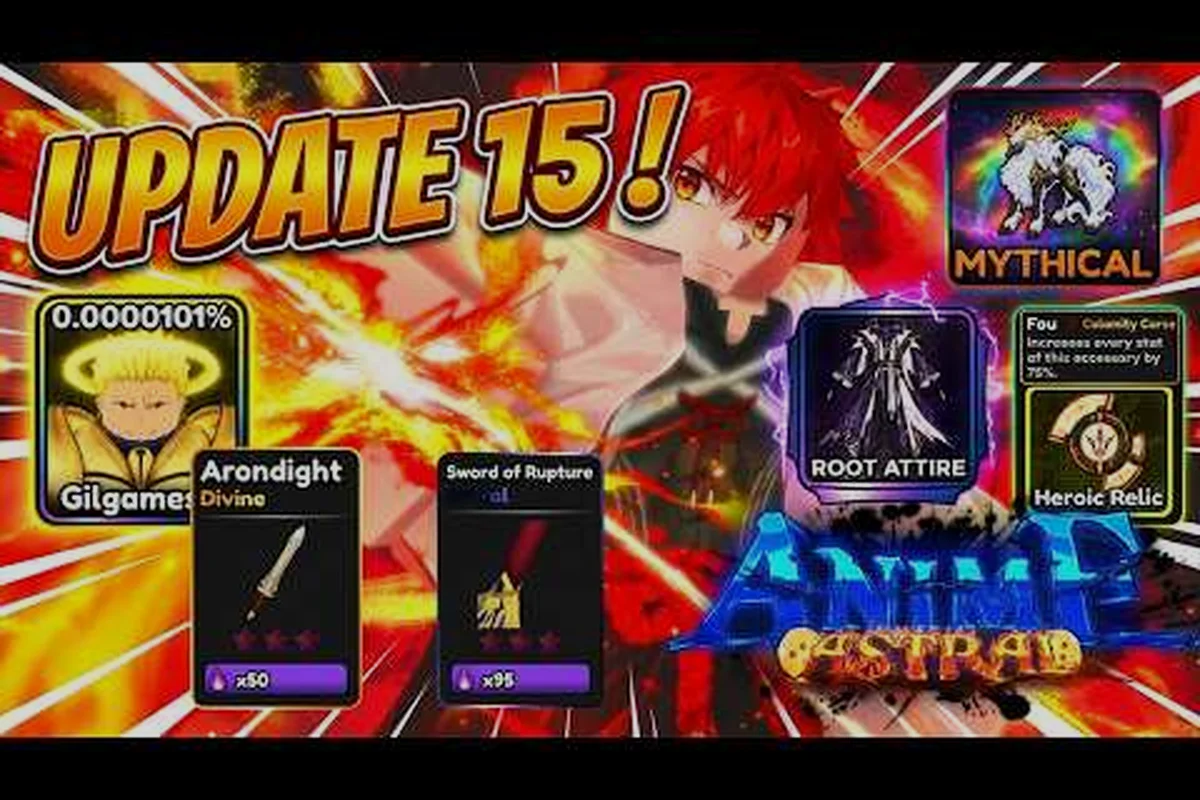
Anime Astral Simulator StarX Inc Update: Astral Team Tracker
Follow the Anime Astral Simulator StarX Inc update tracker for Astral Team announcements, feature drops, and new code waves straight from the developer group.
Anime Astral Simulator Bug Fix Update: Hidden QoL Fixes Explained
See what the Anime Astral Simulator bug fix update actually shipped, from new accessories and mounts to QoL polish that quietly improves repeat runs.